



























• On My Last Flight, a 7-Year-Old Boy Kept Kicking My Seat — Nothing Could Calm Him Down, So Here’s What I Decided to Do

    On My Last Flight, a 7-Year-Old Boy Kept Kicking My Seat — Nothing Could Calm Him Down, So Here’s What I Decided to Do

    The Flight I Wanted to Forget

    It happened on my last business trip — one of those endless flights where time loses meaning, and exhaustion feels like a second skin. I’d been traveling for twelve hours straight, running on instant coffee and willpower, and all I wanted was peace — six hours of silence between clouds.

    When I finally boarded, the world outside the airplane window was already dipped in dusk. I found my seat, buckled in, closed my eyes, and exhaled. For the first time in days, I thought: Maybe I’ll finally rest.

    But peace, as it turned out, had other plans.

    The Constant Kicking and the Never-Ending Questions

    It started with chatter. Not the usual kind of polite, bored conversation — but the boundless energy of a seven-year-old boy sitting directly behind me. He fired questions at his mother like a machine gun of curiosity:
    “Why do clouds move?”
    “Do birds ever get tired?”
    “Can airplanes race each other?”

    At first, I smiled — faintly amused, maybe even nostalgic for a time when my own curiosity had been that pure. But the novelty wore off quickly. His voice was loud, sharp, impossible to tune out.

    And then came the kicks.

    A light tap against the back of my seat. Then another. Then another — rhythmic, persistent, impossible to ignore.

    I turned around politely, forcing a tired smile. “Hey, buddy, could you try not to kick the seat? I’m a little tired.”

    His mother gave me an apologetic look. “I’m so sorry, he’s just excited about flying.”

    “No problem,” I said. I’ll be asleep in five minutes, I told myself.

    But five minutes became ten, then twenty. The tapping turned into thumping — full, deliberate kicks that rattled my seat and my patience.

    Losing My Patience — and My Calm

    I tried everything — deep breaths, noise-canceling headphones, closing my eyes and pretending I was somewhere else. But every time I started to drift, another kick yanked me back into reality.

    Finally, I turned again — less polite this time.
    “Ma’am, please. I really need to rest. Could you ask him to stop?”

    She tried. She really did. But the boy was in his own world, too caught up in his excitement to care about mine. The flight attendant even stopped by, offering a gentle reminder that other passengers were trying to sleep.

    Nothing worked. The kicks continued.

    I could feel my temper rising — not in a dramatic, angry way, but in the quiet, burning frustration that builds when you feel powerless and unseen.

    That’s when I decided I wasn’t going to get angry. I was going to do something different.

    A Simple Decision That Changed the Entire Flight

    I unbuckled my seatbelt, stood up, and turned around. The boy froze mid-kick, his eyes wide — not with fear, but curiosity.

    “Hey there,” I said softly, crouching to his eye level. “You really like airplanes, don’t you?”

    He nodded eagerly. “Yeah! I want to be a pilot one day! I’ve never been on a plane before!”

    And in that instant — that single, human moment — I realized what was happening. He wasn’t trying to annoy me. He wasn’t being rude. He was excited. The same kind of excitement I’d long forgotten how to feel.

    I took off my headphones, smiled, and said, “You know what? I think I can help you with that dream.”

    Turning Chaos Into Curiosity

    I spent the next few minutes explaining everything I knew about airplanes — how they stay in the sky, how pilots communicate, why the wings tilt during takeoff. His eyes lit up like fireworks. The kicking stopped, replaced by questions — thoughtful ones this time, filled with wonder.

    When the flight attendant passed by again, I asked if the boy could visit the cockpit after we landed. To my surprise, she smiled and said she’d check with the captain.

    Two hours later, as we touched down, the captain personally invited the boy to take a quick look inside. His mother’s eyes filled with tears as she whispered, “No one’s ever done something like this for him.”

    The boy looked back at me before walking toward the cockpit, whispering, “Thank you.”

    The Lesson I Didn’t Expect to Learn

    When the plane emptied and the engines quieted, I realized something had shifted inside me.
    That morning, I’d boarded the flight thinking only of my own exhaustion — my need for silence, my right to rest. But that boy reminded me of something I’d lost: the wonder of first times.

    The first flight.
    The first dream big enough to scare you.
    The first moment someone believes in you, even when you’re just a noisy, restless kid with too many questions.

    That boy taught me that sometimes, what we mistake for irritation is just a cry for connection — and that a little patience can turn frustration into understanding.

    The Next Flight

    A month later, I boarded another plane. This time, when a child behind me began to chatter and kick the seat, I didn’t sigh or groan. I turned around, smiled, and said, “Are you excited about flying?”

    He nodded, wide-eyed.

    And I thought about that boy, that mother, and that lesson learned somewhere between clouds and silence:

    Sometimes, the smallest acts of patience can turn turbulence into something beautiful.

  • Trump Issues Stark Warning After ISIS Ambush Kills Two U.S. Soldiers in Syria

    Trump Issues Stark Warning After ISIS Ambush Kills Two U.S. Soldiers in Syria

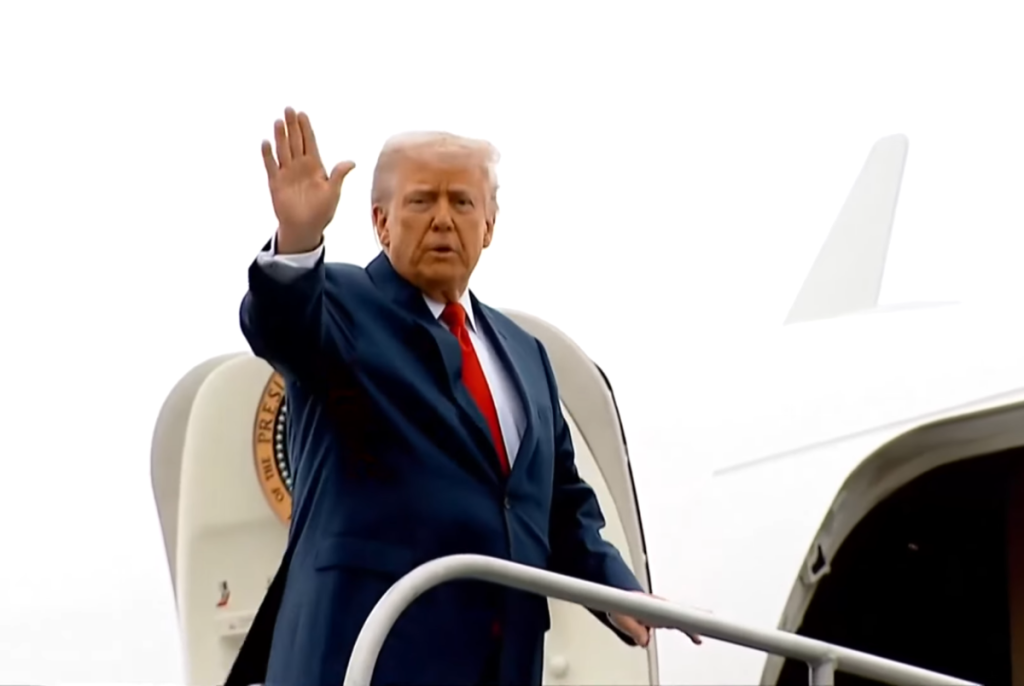
    President Donald Trump issued a strong and unmistakable warning on Saturday following a deadly terrorist ambush in Syria that claimed the lives of two U.S. Army soldiers and a U.S. civilian interpreter, underscoring the continued threat posed by the Islamic State despite years of counterterrorism operations.

    The attack, confirmed by the Pentagon, occurred in the central Syrian city of Palmyra, a region that remains volatile and only partially under government control. According to U.S. Central Command, the assault was a deliberate and targeted ISIS attack on American forces operating in the area.

    In the wake of the incident, Trump vowed that those responsible would face “very serious retaliation,” signaling that the United States would not allow the attack to go unanswered.

    A Deadly Ambush in a Dangerous Region

    Chief Pentagon spokesman Sean Parnell confirmed that the ambush left three additional U.S. soldiers wounded, though officials said their injuries were not life-threatening and that they are currently recovering.

    The soldiers were in Palmyra as part of ongoing counter-ISIS operations, working alongside partner forces in an area known for persistent insurgent activity.

    “This was an ISIS attack against U.S. forces,” Parnell said, emphasizing that the mission was part of a broader effort to prevent the terrorist group from reconstituting itself in Syria.

    U.S. Central Command echoed that assessment, stating clearly that the deaths and injuries were the result of enemy action, not an accident or crossfire.

    Trump Responds With Condolences and a Warning

    President Trump addressed the attack in a post on Truth Social, expressing grief for the fallen while issuing a forceful warning about the consequences.

    “We mourn the loss of three Great American Patriots in Syria — two soldiers and one civilian interpreter,” Trump wrote. “Likewise, we pray for the three injured soldiers who, it has just been confirmed, are doing well.”

    Trump stressed that the attack was not only an assault on American forces but also a destabilizing act against Syria itself.

    “This was an ISIS attack against the U.S., and Syria, in a very dangerous part of Syria that is not fully controlled,” he said.

    The president also revealed that Syrian President Ahmed al-Sharaa had personally reacted with anger to the incident.

    “The President of Syria is extremely angry and disturbed by this attack,” Trump added. “There will be very serious retaliation.”

    White House Comments Reinforce Tough Stance

    Speaking to reporters outside the White House later Saturday, Trump reiterated his message, making it clear that the attack would not be treated lightly.

    “This was an ISIS attack on us and Syria,” he said. “And again, we mourn the loss, and we pray for their parents and their loved ones.”

    While Trump did not provide specific details about the nature or timing of any retaliatory action, his comments were consistent with past responses to attacks on U.S. personnel — swift, forceful, and designed to deter future assaults.

    Mission Details and Ongoing Operations

    According to Pentagon officials, the soldiers were conducting a key leader engagement at the time of the ambush, a common counterterrorism tactic used to disrupt extremist networks and gather intelligence.

    “Their mission was in support of ongoing counter-ISIS and counter-terrorism operations in the region,” Parnell explained.

    The Department of Defense stated that the names of the fallen soldiers, as well as details about their units, are being withheld until 24 hours after next-of-kin notifications are completed, in keeping with military protocol.

    Attacker Neutralized, Pentagon Confirms

    Secretary of War Pete Hegseth confirmed that the individual responsible for the ambush did not escape justice.

    “The savage who perpetrated this attack was killed by partner forces,” Hegseth said in a statement.

    While officials have not disclosed further details about the operation that eliminated the attacker, the confirmation underscored that U.S. and allied forces responded rapidly to the threat.

    ISIS Remains a Persistent Threat

    Though ISIS no longer controls large swaths of territory as it once did, military leaders have long warned that the group continues to operate as an insurgent force, particularly in remote and unstable areas of Syria and Iraq.

    The attack in Palmyra serves as a reminder that U.S. troops operating in the region face constant danger, even years after the collapse of the so-called caliphate.

    Defense analysts note that ISIS increasingly relies on small-scale, high-impact attacks, including ambushes and targeted assaults, to maintain relevance and project strength.

    A Moment of Mourning — and Resolve

    The deaths of the two soldiers and the civilian interpreter have prompted an outpouring of condolences from across the political spectrum, with lawmakers and military leaders expressing gratitude for their service and sacrifice.

    At the same time, the incident has reignited debate over the U.S. military presence in Syria and the risks involved in continued counterterrorism missions.

    Trump, however, has consistently argued that allowing ISIS to regroup would pose an even greater danger — not just to the region, but to U.S. national security.

    The Road Ahead

    As investigations continue and details emerge, the focus now turns to how the United States will respond strategically.

    Trump’s warning of “very serious retaliation” suggests that decisive action may be forthcoming, though officials have emphasized the importance of protecting operational security.

    For now, the nation pauses to honor the fallen, support the wounded, and reflect on the reality that the fight against terrorism remains unfinished.

    One message from the White House was unmistakable:

    attacks on American service members will be met with consequences.

  • A wealthy man saw his ex-girlfriend begging with three kids who looked just like him—what followed is absolutely devastating

    A wealthy man saw his ex-girlfriend begging with three kids who looked just like him—what followed is absolutely devastating

    A Cold December Morning

    It was freezing in downtown Chicago when Ethan Wallace, 35, stepped out of his Tesla for a coffee before a meeting. As he scrolled through emails, something on the sidewalk froze him in place.

    A woman sat against a brick wall, hair messy, coat torn. Three children huddled around her for warmth. She held a cardboard sign: “Please help us. Anything matters.”

    It wasn’t the sign that stopped Ethan. It was her face. Clara. His ex-girlfriend from college. And the three children beside her—they looked unmistakably like him. Sharp noses, hazel eyes, dimples. His heart raced.

    A Life Interrupted

    Ethan thought it was a trick of his mind. Seven years had passed since he last saw Clara. Back then, he left her to build a startup in San Francisco. He promised to stay in touch—but never did.

    Now, she sat on the street begging for change. His chest tightened.

    “Clara?” he whispered.

    She hesitated. “Ethan… it’s been a long time.”

    The youngest child coughed. Clara pulled him close, whispering softly. Without thinking, Ethan acted. He wrapped his coat around the boy.

    “Come with me,” he said.

    Clara’s lips trembled. “Ethan, I can’t—”

    “Yes, you can,” he insisted. “You’re not staying here another minute.”

    Warmth After the Cold

    Ethan brought Clara and the kids to a nearby diner. The smell of coffee and warm pancakes filled the air. Emma, Liam, and Noah devoured their food. Clara sipped water, exhausted and trembling.

    “What happened to you?” Ethan asked quietly.

    Clara sighed. “After you left, I found out I was pregnant. I tried to reach you, but your number changed. I was scared and alone. I worked two jobs, but when the pandemic hit, I lost everything. We were evicted, and I’ve been struggling ever since.”

    Tears filled her eyes. Ethan’s stomach dropped. He had been celebrating his millions, buying luxury, while the woman he loved had been fighting to keep their children alive.

    “Clara… I didn’t know,” he said, voice breaking.

    She shook her head. “It doesn’t matter. I’m just glad the kids are safe for tonight.”

    Taking Action

    To Ethan, it did matter. He paid for their meal, booked a hotel suite, and spent the night arranging help. By morning, Clara had a job interview, and the children were enrolled in a local school.

    Weeks later, the kids ran to him with smiles that melted his heart. He had missed birthdays, first steps, and laughter—but he vowed never to let them go again.

    Rebuilding a Family

    Clara found work as a receptionist at one of Ethan’s partner companies. Weekends were for the kids—parks, movies, baking. The penthouse, once silent, filled with laughter.

    One evening, watching the sunset from the rooftop, Clara said, “You didn’t have to do all this, Ethan.”

    “No, Clara,” he replied. “I’m just starting to make up for lost time.”

    Tears glistened in her eyes. “The kids adore you.”

    “I adore all of you,” he said, holding her hand.

    For the first time, they felt whole again.

    A Second Chance

    A year later, Ethan opened Clara’s Haven, a shelter for single mothers in Chicago. Clara held his hand as their children cut the ribbon.

    When reporters asked why, Ethan said, “Sometimes, life gives you a second chance. I wasn’t going to waste mine.”

    On that cold December morning, a year later, Ethan realized wealth didn’t make him rich—love did.

    Would you have forgiven him if you were Clara? Or walked away? Share your thoughts below.

  • Judge Demands Disabled Veteran To Stand During Sentencing—Seconds Later, The Entire Courtroom Rises And What Happens Next Leaves Everyone In Tears

    Judge Demands Disabled Veteran To Stand During Sentencing—Seconds Later, The Entire Courtroom Rises And What Happens Next Leaves Everyone In Tears

    The Weight Of Sacrifice


    Sergeant Alexander Vance had given more than most could imagine. A decorated veteran of Iraq, his body carried the visible reminders of war—shrapnel scars, damaged muscles, and legs that no longer supported him. His wheelchair had become both a lifeline and a reminder of the price he had paid in service to his country.

    When he rolled into Riverside County Courthouse that morning, he wasn’t there as a hero. He was there as a defendant, facing contempt charges for missing previous court dates. The truth was simple: the courthouse had no functioning elevator, and Alexander couldn’t climb the stairs. His written requests for accommodations had been denied or ignored. Bureaucracy had reduced his reality to “noncompliance.”

    The Judge’s Command


    Presiding that day was Judge Evelyn Hayes, a woman known for her strict interpretation of courtroom protocol. For her, rules were sacred, and exceptions were dangerous precedents. As the session began, her voice carried with unwavering authority:

    “The defendant will stand for sentencing.”

    A hush swept through the oak-paneled room. All eyes turned to Alexander, who sat rigid in his wheelchair. His lawyer began to protest, but Alexander raised a hand to silence him. With a quiet dignity, he tried to do the impossible.

    The Agonizing Struggle


    Gripping the arms of his chair, Alexander braced himself. Veins stood out on his neck, his face pale with determination. Slowly, painfully, he pulled himself upward, his arms trembling as his legs refused to cooperate. Gasps rippled through the gallery as his body shook under the strain.

    He managed to lift himself a few inches before his strength gave out. With a pained groan, his body collapsed back into the chair. The sound of impact echoed louder than the gavel ever could.

    In that moment, silence gripped the room. The tension was no longer about law or protocol—it was about humanity staring back at itself.

    An Unlikely Uprising


    Then, something remarkable happened. A man in the gallery—a stranger—rose to his feet. Then another. And another. Within seconds, the entire courtroom stood tall, their eyes fixed on the judge.

    They weren’t soldiers, but their message was clear: if Alexander couldn’t stand, they would stand for him.

    The veteran, his chest rising and falling with effort, looked around the room. For the first time in months, perhaps years, he felt the weight of community instead of isolation.

    The Judge’s Transformation


    Judge Hayes, usually unmoved by emotion, pressed her lips together. Her gavel hand trembled. For the first time in her career, her rigid world of law collided with the raw reality of sacrifice and dignity.

    Tears welled in her eyes as she whispered, almost to herself, “Enough. This is enough.”

    Her voice cracked as she addressed Alexander directly: “Sergeant Vance, this court owes you more than accommodations. It owes you gratitude.”

    With a heavy exhale, she dismissed the charges on the spot.

    The Lesson That Lingered


    The gavel struck softly, not as a weapon of judgment but as a gesture of respect. The courtroom erupted—not in applause, but in tears. Lawyers, clerks, spectators—every soul present was changed.

    Alexander lowered his head, humbled by the solidarity. In that moment, he wasn’t a man accused. He was what he had always been: a soldier who carried the weight of others so they could stand free.

    As people filed out of Courtroom Seven, one truth followed them: sometimes justice isn’t found in the letter of the law, but in the courage to recognize humanity when it’s right in front of you.

  • BUCKLE UP — FBI’s Kash Patel Arrests the One Person Liberals Warned Him to Never Touch

    BUCKLE UP — FBI’s Kash Patel Arrests the One Person Liberals Warned Him to Never Touch

    Patel: Probe Into Trump, GOP Lawmakers Over Jan. 6 Weak On Evidence

    The FBI memo that initiated the Biden-era Arctic Frost investigation into President Donald Trump and hundreds of his allies over their activities related to January 6 lacked substantial evidence and clear legal justification, according to several former prosecutors and FBI agents who reviewed the newly released document and identified multiple deficiencies.

    The investigation, code-named Arctic Frost, was initially led by an FBI supervisor who had expressed anti-Trump sentiments and was later taken over by Special Counsel Jack Smith.

    The probe treated the effort by Trump’s allies to submit alternate electors to Congress during the 2020 election certification as a potential criminal conspiracy — despite similar actions in two prior instances of U.S. history not resulting in prosecution, Just the News reported.

    According to the newly released materials, the FBI memo that launched the investigation in spring 2022 — around the same time Trump announced his bid for the presidency — relied heavily on interview clips from CNN as primary evidence “suggesting” Trump’s involvement in the alleged conspiracy, the outlet added.

    House Judiciary Committee Chairman Jim Jordan said Wednesday that he believes the FBI memo authorizing the Arctic Frost investigation was legally flawed and reflected the same politicization and investigative overreach seen in the 2016 Russia collusion probe, code-named “Crossfire Hurricane.”

    Jordan obtained the document from current FBI Director Kash Patel and told Just the News that both investigations targeted Trump based on weak evidence and partisan motives before ultimately being discredited.

    “Sure looks that way. … and it looks like this was just the same old weaponization, same old political focus, focus on politics, going after your political enemies,” Jordan said during a wide-ranging interview on the Just the News, No Noise TV show.

    “Same mindset that said we’re going to put the dossier in the intelligence community assessment, even though we know the dossier is garbage, we know there’s no underlying intelligence support,” he continued.

    “That same mindset that was there in 2016 is the mindset we see now in 2022 with Arctic Frost, and then as it transformed into Jack Smith, special counsel, later in 2022—same mindset. So yeah, that’s what it sure looks like,” he added.

    Smith has denied any wrongdoing and said he intends to present his side of the story. Jordan has invited Smith to testify before the committee, warning that he will issue a subpoena if Smith declines to appear voluntarily.

    Documents released in recent weeks by Patel indicate that the Arctic Frost investigation was approved at the highest levels of the Biden administration, including by Attorney General Merrick Garland, Deputy Attorney General Lisa Monaco, and FBI Director Christopher Wray, with assistance from a lawyer in the White House.

    The inquiry centered on efforts by Republican officials in several states to submit alternate slates of electors ahead of Congress’s certification of the 2020 presidential election on January 6, 2021.

    The probe was later transferred from the FBI to Smith’s office, which issued subpoenas to hundreds of Trump allies.

    Senate Judiciary Committee Chairman Chuck Grassley (R-Iowa) on Wednesday released 197 subpoenas that Smith and his Justice Department team issued “as part of the indiscriminate election case against President Trump,” identifying more than 400 Republican groups and individuals whose information was sought.

    Separately, the House Judiciary Committee disclosed that more than 160 Republicans — including many closely tied to Trump — were flagged for possible investigation under the Arctic Frost operation.

    The opening electronic communication (EC) that launched what became a broad investigation into Trump associates was written and approved in April 2022 under the title “Requests Opening of New Investigation – Arctic Frost.”

    The probe, designated as a “Sensitive Investigative Matter” (SIM), was authorized by then–Assistant Special Agent in Charge Timothy Thibault — who later left the FBI after his anti-Trump social media posts came to light — along with other senior bureau officials, including Steve D’Antuono, then the Assistant Director in Charge of the FBI’s Washington Field Office, and Paul Abbate, who was serving as the FBI’s Deputy Director at the time.

  • Hillary Clinton Stunned as FBI Reveals Hidden Payments — No One Was Supposed To See This

    Hillary Clinton Stunned as FBI Reveals Hidden Payments — No One Was Supposed To See This

    ‘Clinton Corruption Files’: New Evidence Released On Clinton Family Foundation

    Attorney General Pam Bondi and FBI Director Kash Patel have given Congress a new set of documents that show how Bill and Hillary Clinton’s foundation took donations from both foreign and domestic groups that wanted to have an impact.

    This has raised new concerns that federal prosecutors who tried to look into pay-to-play claims against the former first family ten years ago were not given this evidence.

    Just the News was told by officials that the documents were sent to the Senate Judiciary Committee in the last few days. They show many times that foreigners and even a U.S. defense contractor tried to win over the Clintons by giving money to their family charity, even when Hillary Clinton was Secretary of State. Bill Clinton was the U.S. president from 1993 to 2001.

    The officials stated that some of the information was brought to their attention by whistleblowers who indicated that it was hidden from a corruption probe that the Little Rock, Ark., U.S. attorney’s office was doing in 2015 before the Obama administration’s Justice Department shut it down.

    The documents will make clear that there was an effort “to obstruct legitimate inquiries into the Foundation by blocking real investigation by line-level FBI agents and DOJ field prosecutors and keeping them from following the money,” said one official directly familiar with the documents.

    Hillary Clinton is still engulfed in allegations from the Trump-Russia collusion hoax.

    New disclosures from the government’s “Crossfire Hurricane” investigation into the 2016 election, otherwise known as alleged “Trump-Russia collusion,” have revealed a stunning admission from top Obama-era officials.

    A newly declassified memo, released by Director of Intelligence Tulsi Gabbard, shows that U.S. intelligence officials concluded Russia did not play a significant role in Donald Trump’s victory over Hillary Clinton.

    Paul Sperry, a senior reporter for Real Clear Investigations, reported that sources informed him that there are damning text messages and emails showing coordination between the Obama administration and Hillary Clinton’s 2016 campaign aides.

    “DEVELOPING: I’m told there are texts/emails indicating Hillary Clinton campaign aides directly coordinated with the Obama White House, NSC, State Dept and Intelligence Community officials in efforts to dig up dirt tying Donald Trump to Vladimir Putin in July 2016 …developing…” Perry wrote.

    The documents released by Gabbard are the clearest proof yet that officials within the Obama administration had serious doubts about Russian interference, even as they proceeded with the investigation.

    The memo, dated 2016, told then-President Barack Obama directly that “Russian and criminal actors did not impact recent US election results by conducting malicious cyber activities against election infrastructure.”

    While acknowledging prior reports about a possible breach of Illinois voter rolls and failed targeting attempts in other states, the memo clearly states that those efforts never compromised voting systems—and didn’t come close to altering results.

    “The targeting of infrastructure not used in casting ballots makes it highly unlikely it would have resulted in altering any state’s official vote,” the document reads. It goes further: “Criminal activity also failed to reach the scale and sophistication necessary to change election outcomes.”

    The disclosure is a major vindication for Trump, who has long argued that the Russia collusion narrative was a hoax pushed by the Clinton campaign and Obama intelligence officials to sabotage his presidency before it began.

    And now the pressure is turning on the people who pushed it.

    FBI officials are preparing the groundwork for a possible criminal investigation into former CIA Director John Brennan, former FBI Director James Comey, and others involved in launching and running the Crossfire Hurricane probe.

    This document falsely claimed connections between Trump and Russian agents.

    A 200-page congressional audit has been compiled after a secret meeting last weekend between the DOJ and intelligence officials. They’re now looking at whether to declassify even more documents, including Crossfire Hurricane notes and transcripts from special counsel John Durham’s investigation, which concluded in 2023 that the Trump–Russia connection was baseless.

    Gabbard’s disclosure appears to be the first step in a broader transparency effort.

  • WATCH: Kirk Suspect Tyler Robinson Does the Unthinkable at First Court A…

    WATCH: Kirk Suspect Tyler Robinson Does the Unthinkable at First Court A…

    Tyler Robinson Makes First Court Appearance In Charlie Kirk Murder Case

    Tyler Robinson, the man accused of assassinating Turning Point USA founder Charlie Kirk, made his first in-person court appearance Thursday in Provo, Utah, drawing immediate attention for his behavior inside the courtroom.

    Robinson appeared in civilian clothing but remained fully shackled throughout the proceeding, a security measure ordered by the court due to the severity of the charges.

    Observers in the courtroom noted that Robinson smiled and laughed as the hearing began, behavior that raised concerns among those present given the gravity of the case.

    Video from inside the courtroom, released under strict broadcasting limitations, showed Robinson standing quietly as his attorney briefly stepped aside, offering the public its first clear look at the accused since his arrest.

    Reporters described Robinson as appearing relaxed, shifting casually and grinning while facing charges in one of the most high profile political murder cases in recent years.

    Fox News correspondent Matt Finn, reporting outside the courthouse, said the appearance marked the first time Robinson had been physically seen by the public since his arrest following the September shooting.

    Finn said the hearing “set the table” for what is expected to be a lengthy and high stakes legal battle.

    Thursday’s hearing focused largely on a dispute over media access to the proceedings.

    Robinson’s defense team asked the court to limit camera coverage and reduce the presence of reporters, arguing that intense national attention could jeopardize his right to a fair trial.

    Defense attorneys cited earlier closed hearings and warned that widespread media exposure could influence potential jurors.

    A coalition of local and national media organizations opposed the request, filing motions urging the court to preserve full public access due to the significance of the case.

    Judge Tony Graf said he is considering both sides as he determines long term rules regarding cameras, recordings, and public attendance.

    Prosecutors have said they intend to pursue aggravated murder charges and may seek the death penalty.

    Robinson, who is 22 years old, has not yet entered a plea.

    Additional hearings are expected to determine whether the case will proceed under full public access or with tighter courtroom restrictions.

    For now, Robinson’s first appearance has given the public its first look at the man accused of killing Charlie Kirk, as the case continues to unfold.

  • I Served a Free Meal to a Stranger — The Note He Left the Next Day Meant More Than I Expected

    I Served a Free Meal to a Stranger — The Note He Left the Next Day Meant More Than I Expected

    If you looked at Laura’s life from the outside, it might have seemed quiet, even stable. In truth, it was shaped by absence. She lived alone in a house that still carried echoes of the family she had lost, rooms filled with memories she could not bring herself to change. Her husband had left after grief made them strangers, and her daughter’s room remained untouched, a small shrine to a life that ended too soon. The only thing Laura still held onto was her grandfather’s diner—a worn, creaking place filled with chipped mugs, uneven floors, and memories steeped in coffee and kindness. It was never meant to be glamorous. It was meant to be human.

    The diner had once thrived when the neighborhood moved slower and people knew one another by name. Her grandfather, Henry, believed food was a form of care, a way to nourish more than hunger. Laura bought the place after he passed, even when it made little financial sense, because it felt like staying connected to something solid. But times changed. Costs rose, customers thinned, and chain cafés replaced familiar faces. Laura worked alone, skipped meals, and watched unpaid bills pile up. Eventually, she called a broker and accepted that love alone might not be enough to keep the doors open. The night before everything was to move forward, the diner sat nearly empty, quiet except for the hum of old lights and Laura’s thoughts.

    Then the bell over the door rang. An elderly man stepped inside, unsure and hesitant, leaning on a cane with a tiny dog trotting beside him. He asked for the cheapest item on the menu, careful and polite, already counting what little he had. Something in Laura softened. She invited him to sit and cooked the way she used to—slowly, intentionally, with care. They shared a simple meal and conversation, and before she realized it, Laura found herself telling him about her losses, her fear of letting go, and how tired she felt holding everything together. The man listened without fixing or judging. When he left, she refused his money, believing his presence had already given her more than enough.

    The next morning, Laura found an envelope taped to the diner door, addressed to her. Inside was a modest bill and a letter signed “Henry.” The man wrote about his own losses, his loneliness, and how being welcomed had reminded him that he still mattered. Laura taped the letter near the register, her hands trembling but steadying. When the broker called later that day, she declined. She wasn’t ready to sell—not yet. Some places are held together not by profit, but by moments of connection. And sometimes, one small kindness is enough to remind you what is still worth holding on to.

  • Dying boy’s lemonade stand was empty until bikers saw what his sign really said underneath “50 cents.”

    Dying boy’s lemonade stand was empty until bikers saw what his sign really said underneath “50 cents.”

    Seven-year-old Tyler sat quietly at his lemonade stand, arranging his cups as the hours passed. Most people slowed down but continued driving, unsure how to approach a child facing a serious illness. Neighbors who once greeted him warmly now kept their distance, unsure what to say. Still, Tyler kept a hopeful smile, determined to help his mother in his own small way. His bright yellow shirt shone in the sun, a small reminder of the light he carried.

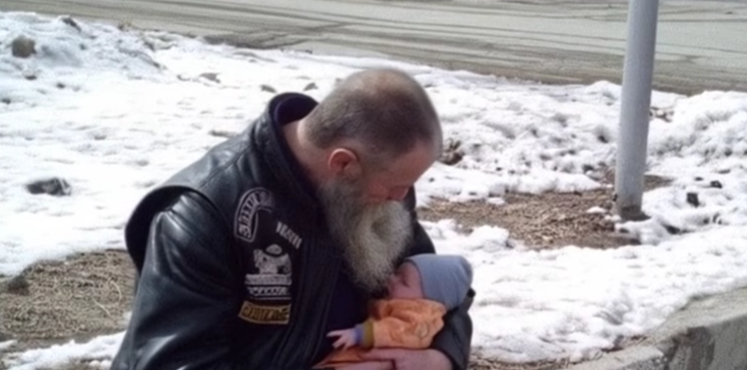
    The quiet afternoon changed when the gentle rumble of motorcycles echoed down the street. Four bikers arrived and parked beside Tyler’s stand instead of passing him by like everyone else. While neighbors stepped indoors, Tyler stood up with new hope in his eyes. The lead biker noticed a small note taped beneath the “50 cents” sign and knelt to read it. His face softened with emotion as he understood the heartfelt message Tyler had written.

    Wanting to help, the biker placed a generous donation in Tyler’s jar and introduced himself kindly. He praised Tyler’s courage and explained that he and his friends admired brave spirits like his. When Tyler’s mother came outside, they reassured her with gentle, respectful voices. She learned her son was simply trying to ease her worries with his thoughtful idea. Her eyes filled with gratitude as she realized how deeply Tyler cared for her well-being.

    Word spread quickly, and soon dozens of bikers arrived, each offering support and compassion. What began as an empty lemonade stand became a gathering of kindness and community. Neighbors slowly returned, moved by the way strangers showed such genuine warmth. Tyler’s jar filled, but the greatest gift was the love surrounding him and his mom. As the sun set, the street glowed with the reminder that kindness often arrives when least expected.

  • K9 Dog Barks at a Family in the Airport — What They Discover Leaves Everyone Stunned

    K9 Dog Barks at a Family in the Airport — What They Discover Leaves Everyone Stunned

    **K9 Dog Barks at a Family in the Airport — What They Discover Leaves Everyone Stunned**

    In the bustling environment of an international airport, travelers are often accustomed to the usual sights and sounds. The constant murmur of announcements, the rolling of luggage across the floor, and the sight of K9 units diligently patrolling the area. However, one day, a routine patrol took an unexpected turn when a K9 dog began barking incessantly at a seemingly ordinary family.
    The family, visibly puzzled, stood by as the handler tried to understand what the dog was sensing. These specially trained dogs are known for their keen senses and are trained to detect various substances and threats. It wasn’t long before airport security was alerted, and a thorough investigation was initiated to ensure the safety of all passengers.

    As security personnel escorted the family to a private area, curiosity among other travelers peaked. People speculated about what could possibly be hidden within the family’s luggage. However, what was discovered was something that left everyone, including the security team, in disbelief.

    The findings revealed a heartwarming twist to the tale. Hidden within their luggage was not a threat, but rather a surprise for a beloved family member that the dog had sensed. The family had been transporting a special gift, imbued with scents that triggered the dog’s reaction. This unexpected incident not only showcased the incredible abilities of the K9 units but also brought about a moment of joy and relief once the misunderstanding was cleared.