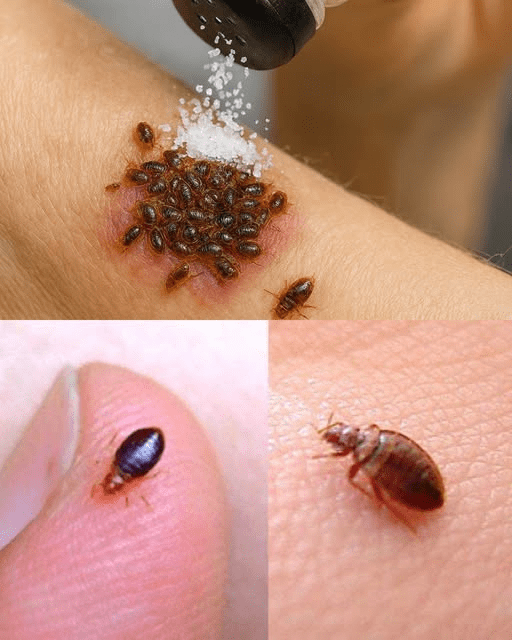
How to Make Bedbugs Disappear from Your Garden in Minutes – A Natural, Proven Approach
There’s a moment every gardener dreads: spotting tiny reddish-brown bugs crawling across your leaves. Your mind races—“Are these bedbugs?”—and suddenly your relaxing garden feels under siege. Take a deep breath. In most cases, what you’re seeing isn’t the same bedbug that haunts mattresses; instead, it’s a harmless—but pesky—sap-sucking garden insect. And once you know the difference, controlling them becomes far simpler.
In this guide, we’ll explore the gentle, effective, and chemical-light method to send these garden pests packing in minutes using a natural neem oil solution. You’ll learn what to look for, how to prepare the spray, and the key steps to protect your plants without harming pollinators or beneficial insects.
Identifying the Real Culprits
True bedbugs are indoor nuisances, preferring mattresses, couches, and furniture. Garden “bedbugs,” on the other hand, are often:
Aphids
Thrips
Chinch bugs
Leafhoppers
Spider mites
These tiny insects feed on plant sap, often congregating on tender leaves, stems, or the undersides of foliage. Their activity causes yellowing, curling, and stunted growth. Their reddish or brown coloring and quick movements make them easy to mistake for bedbugs, which leads many gardeners to panic unnecessarily.
The solution isn’t to blanket your garden in harsh pesticides. Instead, a targeted, plant-safe approach works best—and that’s where neem oil comes in.

Why Neem Oil is the Go-To Natural Solution
Neem oil is an organic, biodegradable insecticide that has been used worldwide by gardeners for decades. Its key active compound, azadirachtin, works by disrupting insect feeding and growth, making it deadly for sap-suckers while remaining gentle on plants, soil, and beneficial insects.
Unlike strong chemical pesticides, neem oil:
Reduces insect feeding immediately
Interferes with reproduction and molting
Is safe for use around families and pets when applied correctly
Breaks down naturally without leaving harmful residues

The Simple Garden Pest-Control Formula
For effective results, neem oil works best with a little help from soap and warm water. The combination ensures even coverage, adhesion to leaves, and maximum impact on pests. Here’s the exact recipe that gardeners swear by:
Ingredients:
2 teaspoons cold-pressed neem oil
½ teaspoon mild, unscented liquid dish soap
1 quart (4 cups) warm water
Clean spray bottle with fine mist setting
Steps to Prepare:
Mix warm water and soap in the spray bottle, stirring until dissolved.
Add the neem oil and shake for 20–30 seconds until the mixture turns slightly cloudy.
Spray thoroughly on leaves, stems, and the soil line, targeting both the tops and undersides of leaves.
Repeat every 3–5 days for active infestations, then weekly for prevention.
Pro tip: Spray during calm morning or evening hours to avoid disturbing pollinators and reduce evaporation.

Why This Method Works So Quickly
Gardeners often notice a difference within minutes. Here’s why:
Stops Feeding Immediately: Azadirachtin affects insect mouthparts and feeding behavior. Within minutes, bugs scatter and sap loss slows, protecting delicate leaves.
Interrupts the Life Cycle: Neem interferes with hormonal signaling in insects, preventing molts and reducing reproduction. Each application lowers the next generation of pests.
Reaches Hidden Spots: Many garden pests hide on the undersides of leaves or at the base of stems. A fine mist with soap ensures thorough coverage.
Safe for Beneficial Insects: Proper timing (dawn or dusk) reduces contact with pollinators like bees and butterflies, maintaining a healthy garden ecosystem.
Reduces Plant Stress: Less sap loss means leaves remain upright and vibrant, promoting faster recovery and healthier growth.
Low Residue and Odor: Neem’s scent fades quickly, leaving no lingering chemical haze. Your garden remains enjoyable for people and pets.
Builds Sustainable Pest Management: Regular applications plus scouting and sanitation create a routine that reduces future outbreaks naturally.
Real-Life Success Stories
Maya, Urban Balcony Gardener: Faced with thrips overwhelming her basil, she applied neem mist to the undersides of leaves every fourth evening. Within two weeks, new leaves emerged glossy and untouched.
Eddie, Community Garden Volunteer: Kale and chard were being devoured by aphids. Using neem at sunrise and releasing ladybugs, pest populations fell below damaging levels, allowing harvests to thrive.
These stories show how a gentle, consistent approach can restore your garden without resorting to harsh chemicals.
Bonus Tips to Amplify Neem Oil Effectiveness
Diatomaceous Earth: Sprinkle around plant bases to deter crawlers.
Garlic-Chili Spray: Acts as a short-term repellent between neem applications.
Companion Plants: Marigolds, basil, and mint confuse pests and reduce pressure.
Remember, these are supplementary measures, not replacements for proper neem applications.

Practical Rules for Success
Test the spray on a few leaves first and wait 24 hours to ensure plant tolerance.
Avoid spraying in midday sun to prevent leaf burn.
Don’t drench flowers where pollinators land; be surgical in your approach.
Stick to the recommended neem oil concentration—more isn’t faster or better.
Focus on undersides and lower stems to prevent reinfestation.
A Quick Checklist for Each Spray Session
Shake the bottle until the mixture is evenly cloudy.
Walk slowly along rows, misting both sides of leaves.
Pause at tender tips and new growth, where pests cluster.
Mark your calendar for follow-up applications to maintain control.
Final Thoughts: A Calm, Natural Garden
Next time you spot “bedbugs” on your tomatoes, beans, or roses, remember: most garden pests are harmless sap-suckers. Knowing the difference turns panic into a calm, effective plan. With neem oil, careful timing, and consistent care, your garden can recover in minutes and remain healthy throughout the season.
A final pro tip: wipe dusty leaves with a damp cloth before spraying. Clean surfaces allow neem to adhere evenly, making each application more effective and reducing wasted product.
By taking this natural, measured approach, you’ll enjoy vibrant foliage, thriving crops, and the satisfaction of managing pests the gentle, eco-friendly way.
Disclaimer: This article is for informational purposes only. It does not replace professional pest control advice. Always test natural sprays on a small area before widespread use and follow product label instructions.