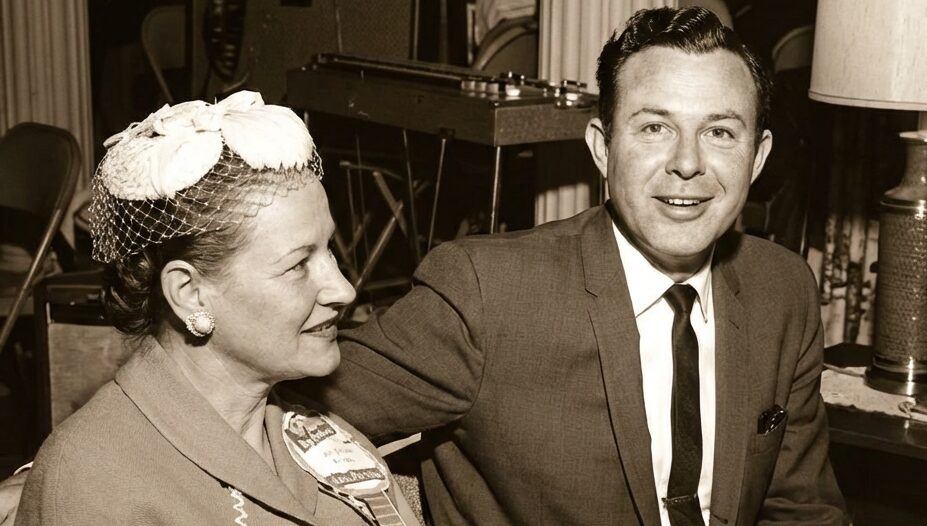

In 1960, Jim Reeves released a song that didn’t just top charts — it quietly became the kind of timeless track people still replay decades later. “He’ll Have to Go” blended country heart with pop polish in a way that felt smooth, emotional, and unforgettable from the very first line. Reeves’ voice was warm and effortless, and the production had a softness that pulled listeners in like a late-night confession. Even now, many fans call it one of the greatest recordings ever made — not because it’s loud or flashy, but because it feels real.
Reeves, famously known as “Gentleman Jim,” had a rare gift: he could bring elegance to country music without losing its soul. Born in Texas and working early on as a radio announcer, he built his career through consistency, charisma, and a sound that stood out from the crowd. By the time this song arrived, he was already respected in country circles, but “He’ll Have to Go” pushed him into crossover success. It wasn’t just another hit — it was a moment that showed how powerful a simple, sincere performance could be.
The story behind the song only makes it more memorable. Written by Joe and Audrey Allison, the idea came from something Joe overheard: a man pleading into a phone, asking a woman to come closer so he could win her back. That real-life emotion became the song’s signature opening line: “Put your sweet lips a little closer to the phone.” When Reeves recorded it, the arrangement stayed beautifully restrained, letting his voice carry the longing. The song soared to the top of the Billboard Country Chart and even reached #2 on the Pop Chart, proving country music could connect far beyond its usual audience.
The impact didn’t stop with its chart success. “He’ll Have to Go” helped shape the Nashville Sound, inspiring future artists and leading to famous covers by stars like Elvis Presley and others — yet Reeves’ original remains the standard for many listeners. Sadly, his life ended far too soon in 1964, when he died in a plane crash at only 40 years old, leaving a lasting “what could have been” feeling across music history. Still, the song lives on through radio, films, and new generations discovering its quiet magic — a reminder that sometimes the greatest records are the ones that speak softly, but stay with you forever.